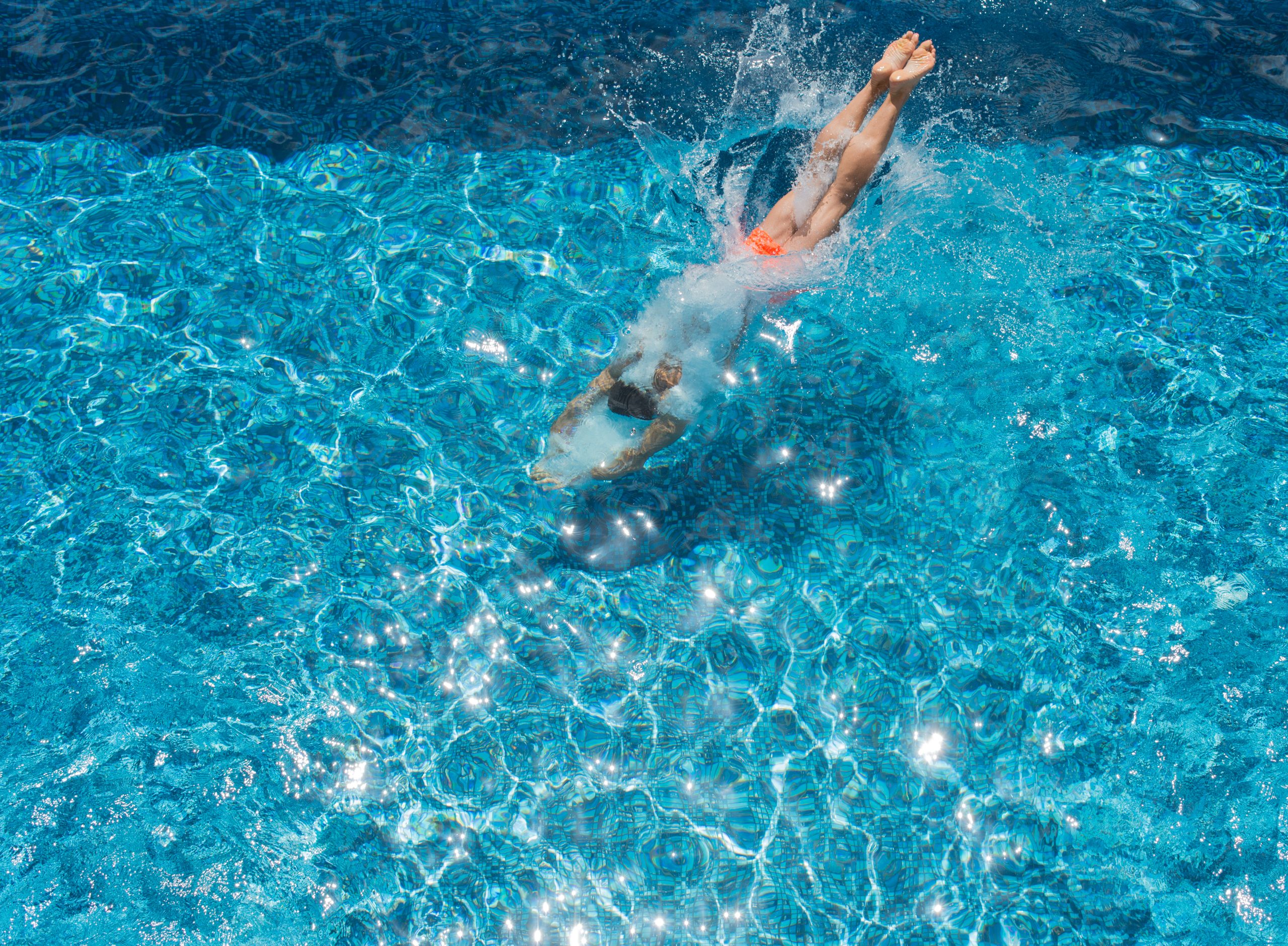
If you’re only using your pool from December to February, you’re missing out on more than half the potential swimming season. With Melbourne’s temperate climate, a quality heating system can realistically extend your pool use from November through to May – that’s 6 months instead of just 3.
At Master Pools, we’ve been installing pools across Melbourne’s South East, Bayside, and the Mornington Peninsula since 2010. During that time, we’ve watched pool heating technology evolve significantly. What we recommend today is quite different from what we recommended even five years ago.
Why Melbourne is Perfect for Pool Heating
Melbourne sits in what we call the “heating sweet spot”. We’re not tropical like Queensland where pools stay naturally warm, and we’re not as cold as Tasmania where heating costs can be prohibitive. Melbourne’s temperate conditions mean that modest heating can make a significant difference to water temperature.
Consider a typical spring day. Air temperatures might reach 20°C, which feels pleasant, but your pool water is sitting at 16°C – too cold for comfortable swimming. With the right heating system, you can bring that water up to 26°C, turning an unused pool into an enjoyable one.
How Pool Heating Has Changed
For many years, solar heating was Australia’s most popular pool heating choice, and it’s still a valid option for some situations. However, the landscape has changed considerably. Roof space is now at a premium, particularly with many Melbourne homeowners installing solar panels for household electricity. Heat pump technology has also evolved dramatically over the past five years, with significant improvements in efficiency, reliability, and running costs.
Today, when customers ask us about pool heating, our recommendation is clear: heat pumps are now the most effective heating option for Melbourne pools.
Heat Pumps: The Modern Solution
Heat pumps work on the same principle as a reverse-cycle air conditioner. They extract warmth from the air and transfer it to your pool water through a refrigeration cycle. The technology isn’t new, but recent advances have transformed them into highly efficient, reliable systems.
Modern heat pumps are remarkably efficient, typically producing 5-6 times more heat energy than the electrical energy they consume. They work effectively even when air temperatures drop to 7-10°C, making them perfectly suited to Melbourne’s variable spring and autumn weather.
Why Heat Pumps Are Now Our Primary Recommendation
Consistent temperature control: Unlike solar systems that depend on weather conditions, heat pumps maintain your desired temperature regardless of cloud cover or time of day. You set your temperature and the system maintains it automatically.
Reliable performance: Heat pumps work day and night, in any weather. This means you’re not checking the forecast before planning a swim -your pool is always ready.
Improved technology: The heat pumps we install today are considerably more efficient and quieter than models from even five years ago. Technology advances have reduced running costs while improving performance.
No roof space required: With many Melbourne homes now using roof space for household solar panels, heat pumps offer an effective heating solution without competing for that valuable real estate.
Compact installation: Heat pumps have a small footprint, typically sitting beside your pool equipment. There’s no need for large roof installations or significant structural work.
The Solar Panel Hybrid Opportunity
Here’s an interesting development: if you have household solar panels, you can create a hybrid system where your solar panels help offset the running costs of your heat pump. Your pool heating effectively runs on solar-generated electricity during daylight hours, combining the benefits of renewable energy with the consistency and reliability of heat pump technology.
This hybrid approach gives you the best of both worlds – reduced running costs through solar generation, plus guaranteed heating performance regardless of weather conditions.
Approximate Running Costs
For an average 8m x 4m pool with regular cover use, expect heat pump running costs of approximately $400-800 per season. This assumes swimming from November to May with consistent thermal blanket use. The actual cost depends on your desired temperature, how well you use your cover, and your electricity rates.
If you have household solar panels, your daytime heating costs can be significantly reduced as you’re using your own generated electricity rather than grid power.
Solar Pool Heating: Still Valid for Some Situations
Solar heating uses roof-mounted panels to heat your pool water as it circulates through them. After installation, there are no ongoing energy costs beyond your existing pool pump operation.
Solar heating can still make sense in specific situations:
- You have ample north-facing roof space that’s not needed for household solar panels
- You’re happy with gradual, weather-dependent heating
- Your primary swimming season is summer when solar performs best
- You want zero running costs and are comfortable with less temperature consistency
However, today’s reality is that many Melbourne homes are prioritising roof space for household solar panel installations. With heat pump technology now offering reliable, efficient heating without roof requirements, solar pool heating is becoming less common as a first choice.
Gas Heating: Suitable for Spas Only
Gas heaters (natural gas or LPG) provide rapid heating regardless of conditions. They can heat water in hours rather than days, which sounds appealing. However, the running costs for pool heating are prohibitively high.
Our recommendation: Gas heating is only realistically suitable for spas, not swimming pools.
For a spa where you’re heating a small volume of water for occasional use, gas makes sense. You can heat it quickly when needed, use it, then let it cool down. The running costs are manageable because you’re heating infrequently and the water volume is small.
For a swimming pool, the economics simply don’t work. You’re heating a much larger volume of water, and maintaining comfortable temperatures throughout an extended season becomes expensive. Most Melbourne families find gas running costs unsustainable for regular pool use.
The exception might be if you’re using gas as a backup system alongside heat pump or solar heating – for rapid top-up heating on particularly cold days. But as a primary pool heating solution, the running costs are too high.
The Essential Component: Thermal Blankets
Here’s the most important thing we tell customers about pool heating: any heating system must be supported by a good quality thermal blanket. This isn’t optional – it’s essential.
An uncovered pool loses 70-80% of its heat overnight through evaporation. Without a thermal blanket, you’re essentially heating your pool each day, then watching that heat disappear overnight. Your heating system works much harder than necessary, running costs increase dramatically, and you never achieve optimal comfort.
Why Every Heated Pool Needs a Thermal Blanket
Retains heat overnight: A thermal blanket prevents heat loss through evaporation, meaning you wake up to a warm pool instead of starting from scratch each day. This dramatically reduces how much your heating system needs to work.
Reduces running costs by 50-70%: Many Melbourne customers report this level of savings simply by using their thermal blanket consistently. The blanket pays for itself quickly through reduced energy consumption.
Manages debris: Beyond heat retention, thermal blankets keep leaves, dirt, and debris out of your pool. This means less cleaning, reduced filter workload, and lower chemical consumption.
Saves water: Melbourne pools can lose over 1,000 litres per week to evaporation during warmer months. A thermal blanket reduces evaporation by up to 97%, conserving water and reducing top-up costs.
Essential for efficiency: At Master Pools, we view heating and thermal blankets as a partnership. Your heating system creates warmth; your blanket retains it. Together, they deliver comfortable swimming from September to May with manageable running costs.
Sunlover Thermal Blankets and Roller Systems
At Master Pools, we exclusively install award-winning Sunlover thermal blankets and roller systems. Sunlover has been manufacturing pool equipment in Australia for over 40 years and is the country’s leading specialist in pool heating and covers.
Sunlover thermal blankets are engineered specifically for Australian conditions. Each blanket is custom-manufactured to your pool’s exact dimensions for complete coverage and maximum efficiency.
Roller systems make the difference: The key to getting the benefit from a thermal blanket is actually using it consistently. Sunlover’s roller systems make this practical – you can deploy or remove your blanket in seconds rather than struggling with a heavy cover. This convenience means you’ll actually use it every time, which is essential for the heat retention and cost savings.
For ultimate convenience, Sunlover also offers automated roller systems that operate at the touch of a button.
Why We Install Award-Winning Sunlover Equipment
At Master Pools, we exclusively install Sunlover heating systems and thermal blankets. This decision is based on over 30 years of experience and hundreds of installations across Melbourne.
Sunlover equipment is:
- Australian made and designed for our climate
- Backed by over 40 years of manufacturing expertise
- Supported by comprehensive warranties
- Proven reliable in real-world Melbourne conditions
We’ve installed enough Sunlover systems to know they perform consistently, and we hear positive feedback from our customers year after year. When you’re investing thousands of dollars in pool heating, the manufacturer’s track record matters.
What Will It Actually Cost?
For an 8m x 4m pool with a heat pump and thermal blanket:
- Running costs: $400-800 per season (November to May)
- Temperature achieved: 26-30°C regardless of weather
- Season length: 6 months of comfortable swimming
These estimates assume consistent thermal blanket use. Without a blanket, expect running costs to approximately double and temperature consistency to be poor.
Installation costs vary based on your specific situation – pool size, site conditions, and equipment selection. If you’re looking to install a fiberglass pool we will provide detailed quotes after a site visit where we assess your property and discuss your needs.
Why Master Pools?
When you choose Master Pools for your pool installation, you get:
- Modern heat pump technology designed for Melbourne conditions
- 30+ years of Melbourne experience
- Honest recommendations based on your situation
- Quality Sunlover thermal blankets with roller systems
Your Extended Season is Waiting
Pool heating in Melbourne isn’t about luxury – it’s about getting genuine value from your investment. The difference between a pool you use occasionally and one that becomes central to your family’s lifestyle often comes down to comfortable, consistent water temperature.
Modern heat pump technology, combined with a quality thermal blanket, delivers exactly that -reliable warmth from September through May with manageable running costs.
If you’re looking to install a fiberglass pool contact Master Pools to arrange a site visit and quote. We service Bayside Melbourne, the South Eastern suburbs, and the Mornington Peninsula and are currently taking bookings for 2026.
Your extended swimming season starts with smart equipment choices.